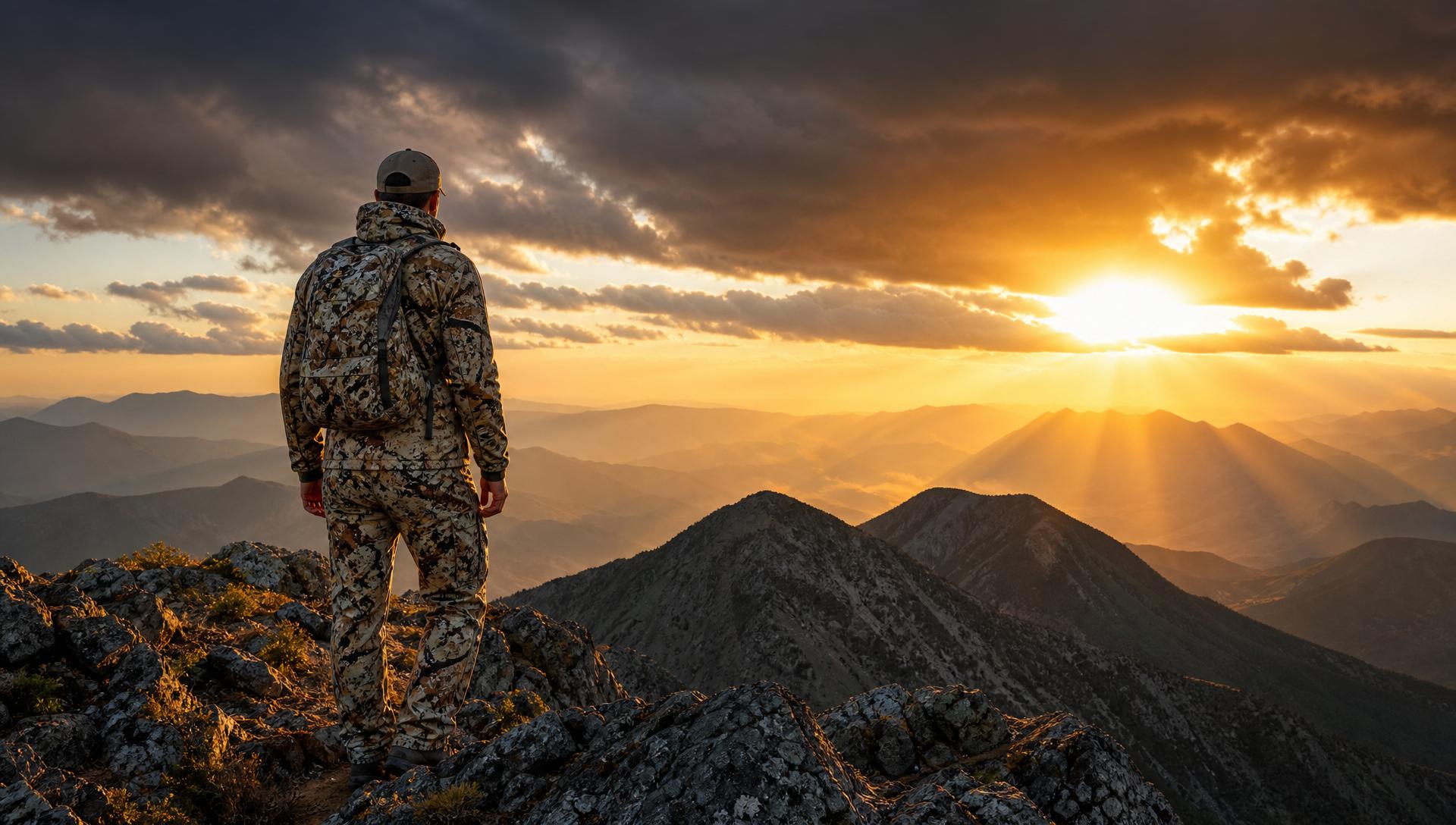
Plan the Hunt of a Lifetime.
Everything you need to organize, prepare for, and execute your next hunting adventure — from budgets and packing lists to AI planning and trip management.
- Free to Start
- No Credit Card Required
- Built by Hunters
Basecamp
Plan the Hunt of a Lifetime.
Everything you need — planning, budget, gear, training, AI.
- Book FlightsFri
- Renew PassportAug 12
- Confirm PermitSep 3
- Boots
- Rain Gear
- Rifle
- Optics
- Passport
- Satellite Messenger
- Ruck
- Strength
- Mobility
Analyzing terrain, weather, gear & training
Basecamp
Everything you need for the Hunt of a Lifetime.
Like planning an expensive vacation — with a financial planner and a hunting consultant in your pocket.
Tell us your dream
Species, country, budget, weapon, fitness, timeline. A 3-minute interactive planner.
AI drafts your plan
Destination, season, tags, outfitters, timeline, training, gear, travel logistics — all reasoned.
Refine & execute
Edit, save, print, export to PDF. Track training and packing straight to opening morning.
14 chapters. One cohesive plan. Ready in minutes.
Every plan is a private, editable, printable document — the same depth you'd get from a professional consultant, but generated to your exact species, budget, and physical ability.
Backcountry Bull Elk — Colorado Unit 61
Rifle · DIY · Backpack · September 2026
A fully reasoned DIY backcountry rifle hunt for a mature bull elk in Colorado's Unit 61. The plan balances remote wilderness opportunity with a tight budget, prioritizing a 9-day backpack spike-camp strategy during the peak of the September rut.
Colorado Game Management Unit 61 — the Grand Mesa region. Chosen for high public-land bull densities, good road access for a DIY hunter, and over-the-counter elk options with excellent September archery overlap and rifle draw alternatives.
September 12–20, 2026. This window sits in the pre-rut to rut transition: bulls are vocal, cooling temperatures keep elk moving, and water sources still concentrate herds before they shift to winter range.
Total all-in estimate: $4,200 – $5,500. Breakdown: tag & license ~$700, fuel & travel ~$900, food & camp ~$650, gear upgrades ~$1,200, contingency ~$1,000. No outfitter fees because the plan is DIY.
12+ months out: research units and build points. 8 months: apply for tags and book time off. 4 months: ramp training and finalize gear. 1 month: dial camp food, check rifle zero, and confirm access. 1 week: weather, gear, and departure checklist.
A 16-week mountain-fitness arc: base cardio (weeks 1–4), weighted pack hiking (weeks 5–8), elevation stair intervals (weeks 9–12), and a taper with range sessions (weeks 13–16). Target: 45 lb pack, 8 miles, 2,500 ft gain.
Shelter: 2-person trekking-pole tent. Sleep: 20°F bag + insulated pad. Pack: 4,500+ cu in external frame. Optics: 10×42 binoculars and lightweight tripod. Clothing: merino base layers, synthetic mid, soft-shell, puffy, rain shell.
Verify Colorado hunter education proof, purchase elk license + habitat stamp, reserve campsite or identify dispersed spots, plan fuel stops, register GPS waypoints, and print backup maps in case cell service fails.
Camp: stove, fuel, water filter, headlamp, batteries. Food: 3,000 cal/day, no-cook backups. Hunt: range finder, knife, game bags, 100 ft cord, tag holder. Safety: first aid, satellite messenger, fire starter, emergency bivy.
Even on a DIY plan, these questions are useful if you later hire help: What success rates do you see on public-land bulls? Do you pack out meat? What is your cancellation policy? Do you include lodging or spike camp support?
Colorado requires a hunter education certificate and an elk license. Unit 61 has draw-only rifle tags in some seasons and over-the-counter archery options. Apply by the April deadline; leftover list is available in early summer.
Pack quarter bags and a bone-in game bag set. Bring a lightweight bone saw. After harvest, cool meat immediately, photograph the cape, and locate a local wild-game processor in Grand Junction before the hunt.
Weather: sudden snow above 10,000 ft. Fitness: pack-outs on steep terrain. Navigation: remote areas with weak signal. Mitigations: layered clothing, pre-trip conditioning, downloaded offline maps, and a satellite messenger.
Confirm your Colorado hunter education, set a license-application reminder, book 3 days of scouting in late August, start the training arc, and build a shared digital folder with maps, regulations, and contact numbers.
Everything in One Place.
Basecamp replaces spreadsheets, forums, and scattered notes with a single premium workspace built specifically for hunters chasing bucket-list tags.
Trip Planning
Organize every hunt — species, dates, tags, logistics — in one place.
AI Hunt Planner
Generate a complete, reasoned hunt plan in minutes, not months.
Packing Lists
Weight-aware checklists for backpack, base camp, and lodge hunts.
Budget Tracking
Track every dollar — tags, outfitter, gear, travel, meat, taxidermy.
Training Plans
A fitness arc tuned to your terrain, elevation, and departure date.
The Basecamp Library
Field-tested guides on gear, tactics, meat care, and travel.
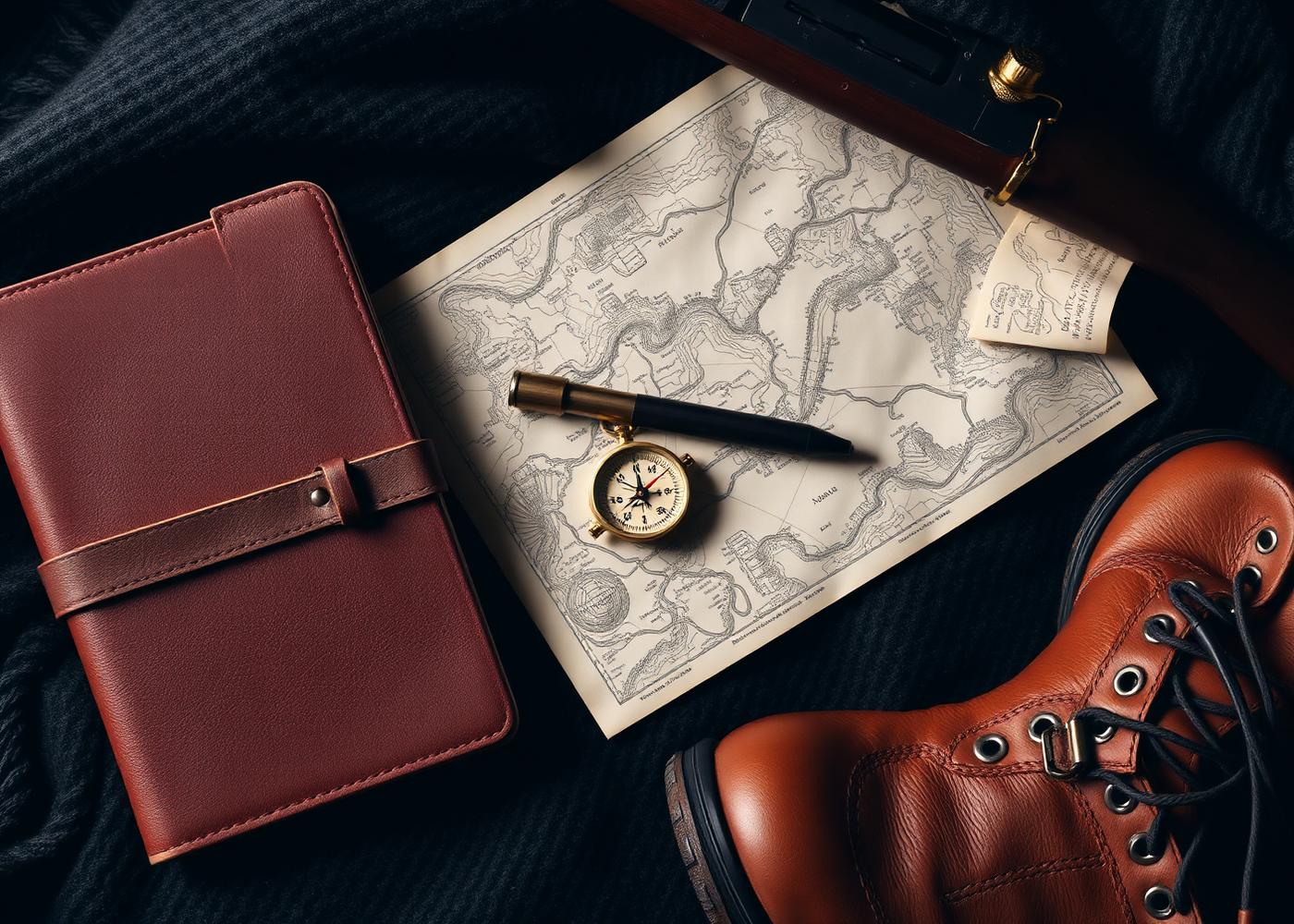
Gear that earns its weight.
Recommendations tuned to species, terrain, and season — never a generic gear list.
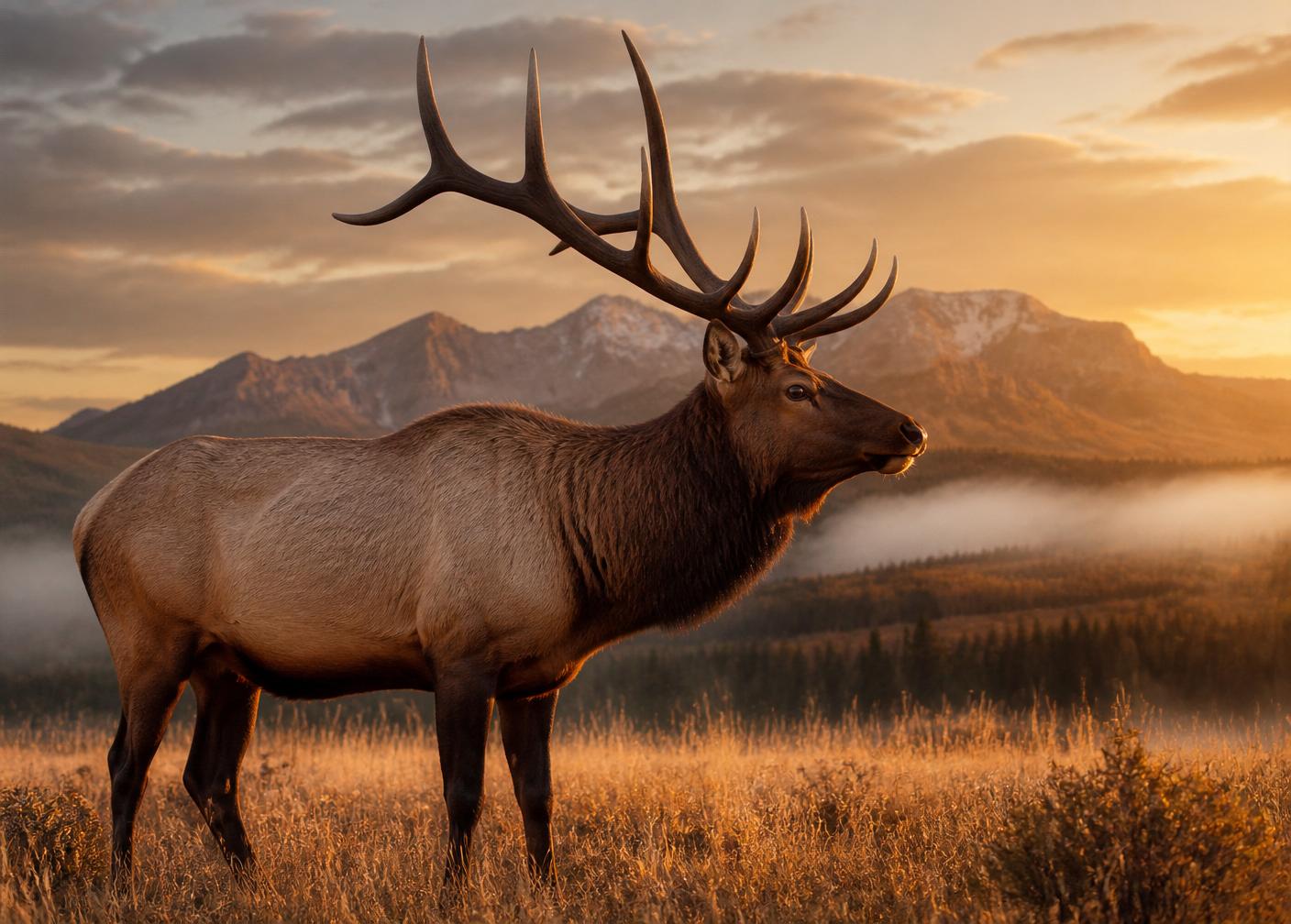
Tags, outfitters, meat, taxidermy.
Every downstream decision covered before you leave the trailhead.
What we're building next.
Basecamp is expanding from planning into the full pursuit lifecycle — draw to freezer.
The complete platform
Everything you need to plan your next hunt.
Basecamp is a hunting trip planning platform built for hunters who take one or two big trips a year seriously — and everyday hunts too. It brings tags, outfitters, budgets, packing lists, travel, fitness, and AI-assisted hunt planning into one place, so you spend less time in spreadsheets and more time getting ready to hunt.
Species we help you plan for
- Elk hunting
From September archery to late-season rifle, elk hunts reward hunters who plan hard — physical conditioning, altitude, gear, and drawing the right tag.
- Whitetail hunting
Whether you hunt public timber or a family farm, a good plan covers scouting, stand access, weather windows, and the tag structure of your state.
- Mule deer hunting
High-country muleys demand glass, boots, and patience. Plan your season around draw odds, unit selection, and a training block that gets you into the alpine.
- Sheep hunting
A sheep hunt is a multi-year plan: points, drawing strategy, guides, gear built for weight and weather, and a fitness base that can carry you above the last water.
- Moose hunting
Moose hunts hinge on logistics — floatplanes, meat care, and remote camps. Budget, packing, and travel need to be dialed months before you leave.
- Bear hunting
Spring or fall, spot-and-stalk or bait, bear hunts test glassing discipline and shot selection. Plan taxidermy, meat, and hide care before you pull the trigger.
- New Zealand tahr hunts
A once-in-a-lifetime bull tahr trip — outfitter, travel documents, gear rated for wet cold, and the training to move through steep New Zealand basins.
Guided, DIY, and the planning in between
- Guided hunts
Working with an outfitter shortens the learning curve — but you still need to compare guides, confirm licenses, and plan travel, gratuities, and gear.
- DIY hunts
DIY hunters trade money for time. A serious plan covers scouting, camp, food, water, meat care, and a backup for weather, injury, and access.
- Hunt budgeting
Track tags, travel, guides, gear, meat and taxidermy. Basecamp's budget planner keeps the whole trip inside a number you decided on before you booked.
- Hunt packing
A packing list built for the trip — layers, optics, shelter, kill kit, documents — and reused every season so nothing gets left in the truck.
- Hunt preparation
A 12-month plan: fitness blocks, shooting practice, gear tests, and a countdown of every task that needs to be finished before opening day.
Explore Basecamp
Your next hunt deserves more than a browser tab.
Create your account and build your first AI-powered hunt plan today.